
 By
By By Sameer | FitRiseDaily
FocuNutrition is the part of fitness that most people underestimate. Many people train hard for months but see little progress because they focus only on workouts and ignore what goes on their plate.
The truth is simple: exercise is the trigger for change, but nutrition is what helps your body recover, grow, and perform better.
Why Does Nutrition Matters?
When you exercise, your muscles experience tiny amounts of stress. Your body repairs that damage using nutrients from food. Without enough protein, carbohydrates, healthy fats, vitamins, minerals, and water, recovery becomes slower and performance suffers.
Good nutrition helps you:
Build lean muscle.
Burn fat while preserving muscle.
Improve strength and endurance.
Recover faster after workouts.
Maintain energy throughout the day.
Support hormones and immunity.
The Three Macronutrients that matter most
1 Protein:-Protein repairs muscle tissue after training and helps build new muscle. It also keeps you full for longer.
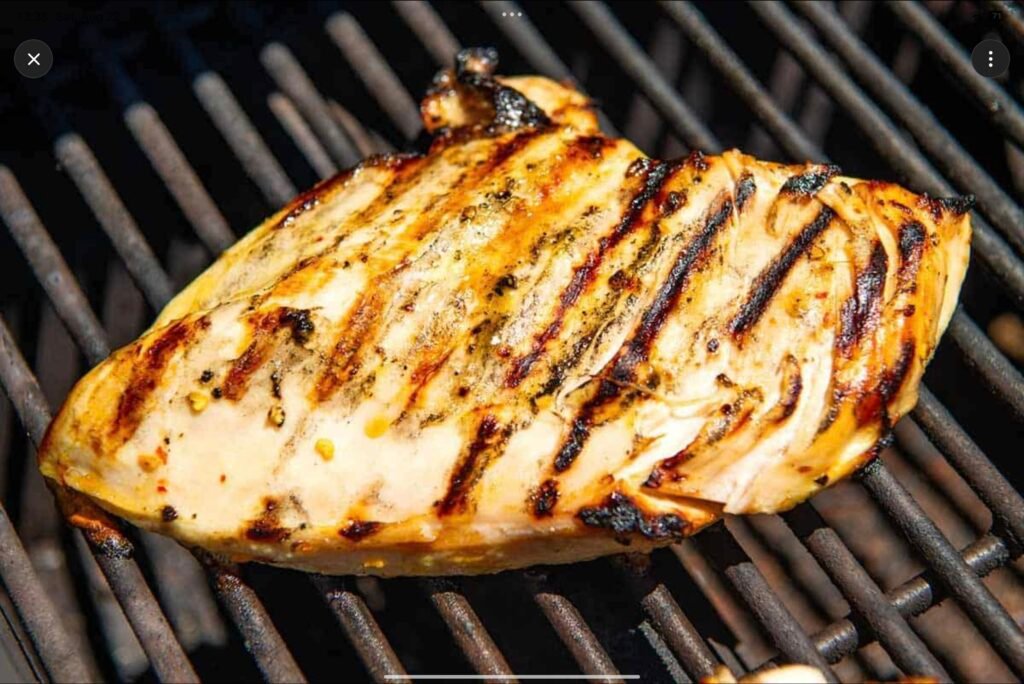

Best protein sources
- Eggs
- Chicken breast
- Fish
- Paneer
- Greek yogurt
- Lentils and beans
- Tofu and soy products
Suppose your body weight is 75kg which means after your workout your body needs 120 to 165 grams of protein
2 Carbohydrates : Carbohydrates provide energy for workouts. They replenish glycogen, the stored fuel in muscles.
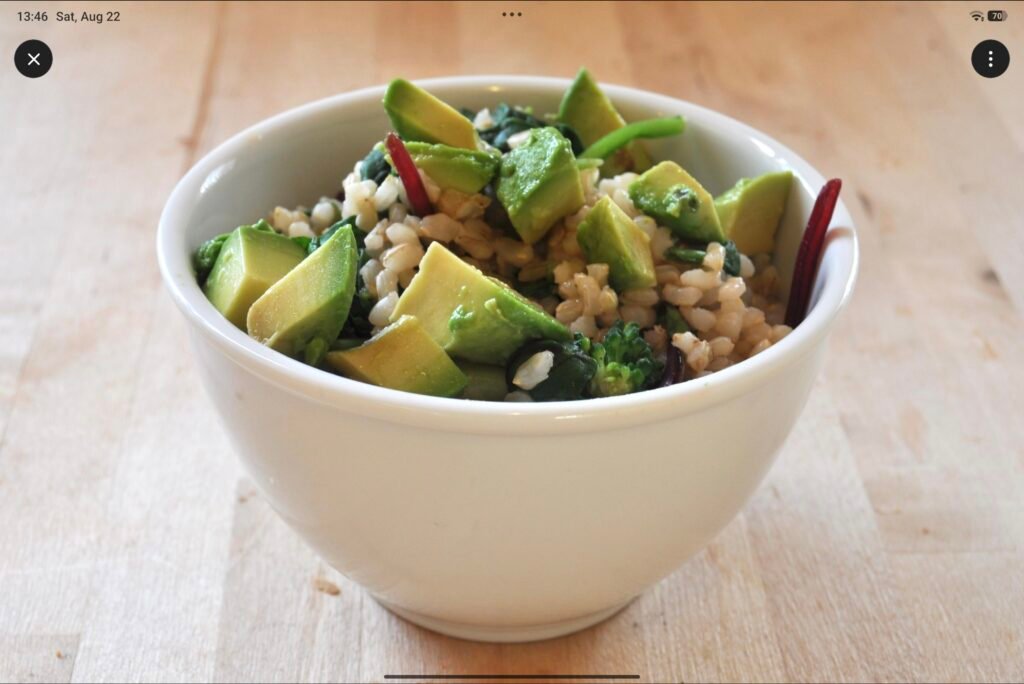
Healthy carbohydrate choices include:
- Oats
- Brown rice
- Whole wheat roti
- Sweet potatoes
- Fruits
- Quinoa
Eating carbs before a workout often improves performance, especially for strength and endurance training.
3 Healthy Fats: Healthy fats support hormone production, brain function, and vitamin absorption.
- Nuts
- Seeds
- Olive oil
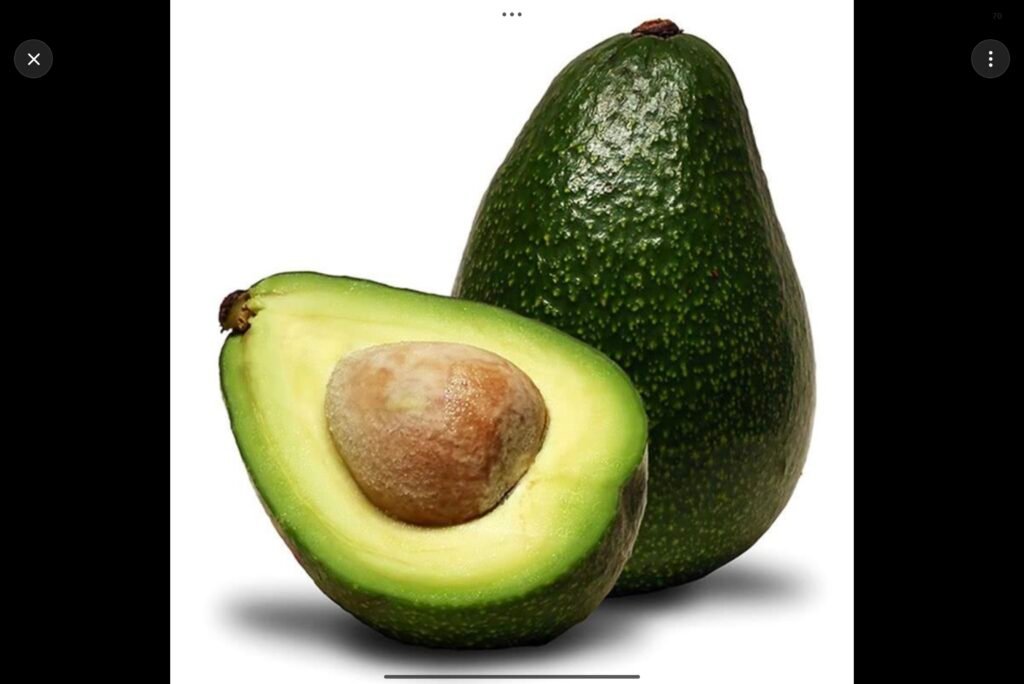
- Avocado
- Fatty fish
Avoid making fats too low in your diet for long periods.
Micronutrients:
Vitamins and minerals do not provide calories, but they are essential for hundreds of body functions.
Nutrient Why it’s important
Vitamin D. Muscle function and bone health.
Calcium Strong bones and muscle contraction.
Iron Oxygen transport and energy.
Magnesium Recovery and muscle relaxation.
Potassium Hydration and muscle function.
What to Eat Before and After a Workout
Before Workout (60–120 minutes)
Eat carbohydrates with moderate protein
Examples:
Oats with banana.
Peanut butter on whole wheat toast.
Rice with chicken.
Banana with yogurt.
After Workout (Within 1–2 hours)
s on protein plus carbohydrates.
Examples:
Grilled chicken with rice.
Paneer with roti.
Protein smoothie with fruit.
Hydration:Even mild dehydration can reduce strength and endurance.
Drink water throughout the day instead of waiting until you feel thirsty. During intense workouts lasting more than an hour, electrolytes can help replace sodium and potassium lost through sweat.
Nutrition for Different Fitness Goals
Goal Nutrition focus
Fat Loss High protein, moderate calorie deficit, plenty of vegetables.
Muscle Gain Protein-rich meals with a small calorie surplus.
Endurance Higher carbohydrate intake and proper hydration.
Common Nutrition Mistakes
- Skipping breakfast before intense workouts.
- Eating too little protein.
- Depending on supplements instead of real food.
- Drinking sugary beverages regularly.
- Ignoring sleep, which affects recovery and appetite hormones.
A Sample Balanced Fitness Plate
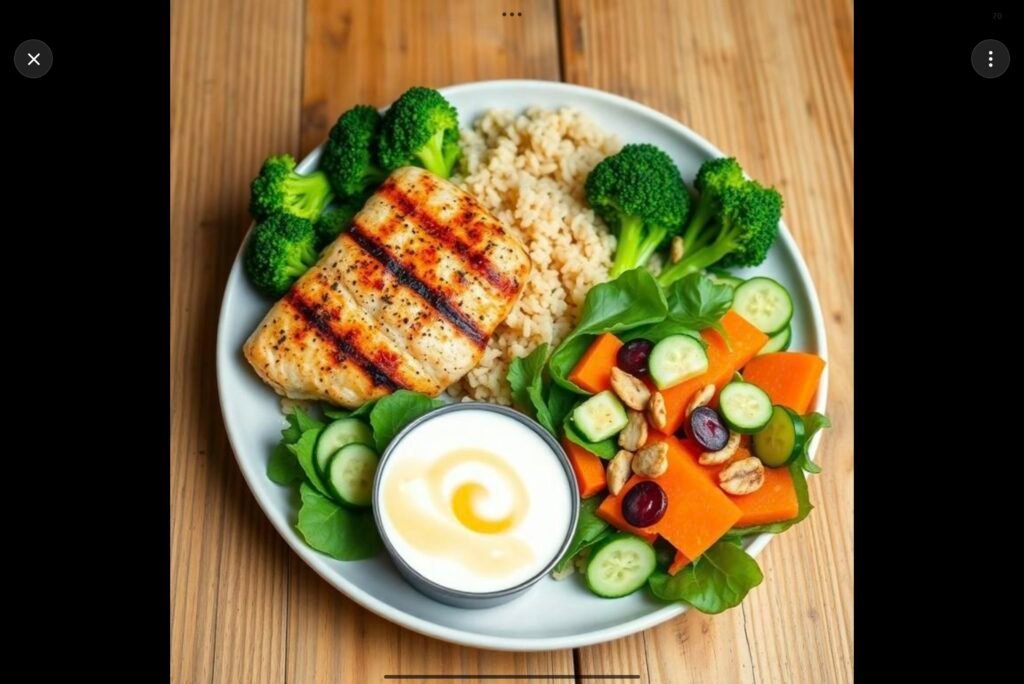
- ½ plate vegetables.
- ¼ plate protein.
- ¼ plate whole grains or healthy carbohydrates.
- A serving of healthy fat.
- Water or buttermilk.
Final Thoughts
Fitness nutrition is not about eating perfectly every day. It is about eating consistently enough to support your body and your goals. Small habits like including protein in every meal, eating more whole foods, staying hydrated, and planning meals around workouts create better results than extreme diets.
The strongest fitness plan is one you can follow for months and years, not just a few weeks.