

 By
By A few years ago, if you wanted to know how active you were during the day, you probably had to guess. Maybe you walked a lot, felt tired after work, or remembered going for a morning run. Today, a small device on your wrist can track your steps, heart rate, workouts, sleep, and much more.
Health technology and wearable devices have changed the way people think about fitness and everyday health. Smartwatches, fitness bands, heart-rate monitors, smart rings, and connected health devices are becoming part of normal daily life.
But there’s an important question: Are these devices actually making us healthier, or are we simply collecting more numbers? So for knowing this we have to know what is actually a healthtech is ..

What Is Health Tech?
Health technology, often shortened to “health tech,” refers to technology designed to help people monitor, manage, or improve their health.
It covers a huge range of products and services, including:
Fitness trackers
Smartwatches
Smart rings
Heart-rate monitors
Connected blood-pressure monitors
Sleep-tracking devices
Health and fitness apps
Digital nutrition platforms
Telehealth services
Smart scales
What Are Wearables?
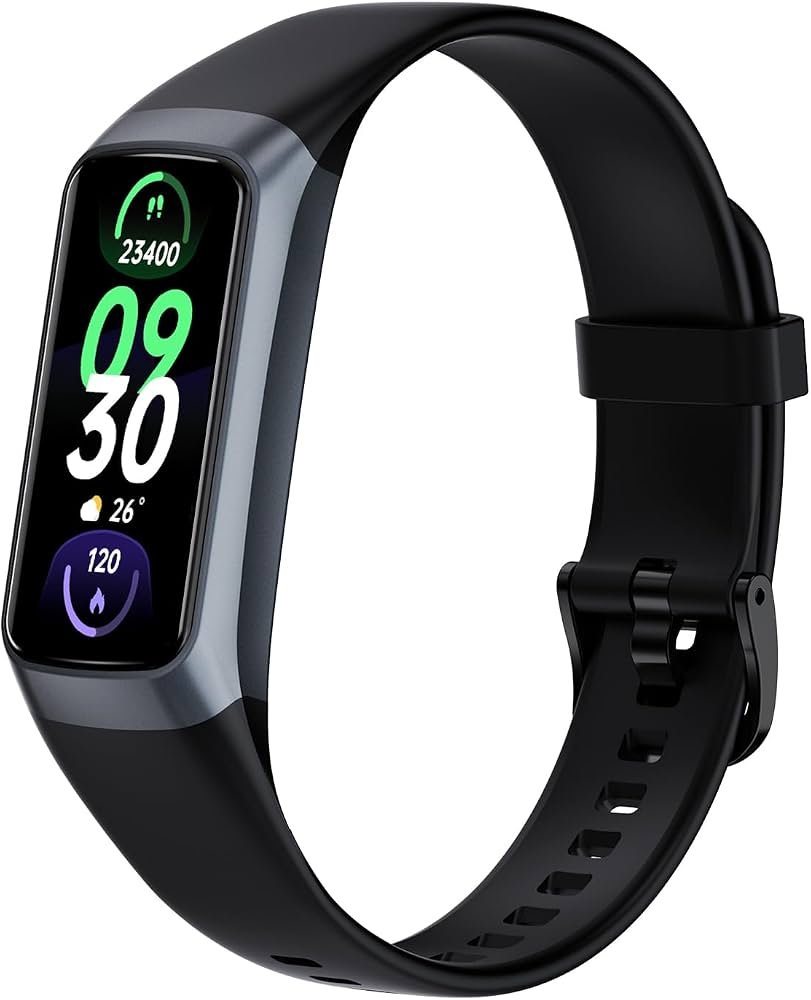
Wearables are electronic devices that you can wear on your body. Most people are familiar with smartwatches and fitness bands, but the category has expanded considerably.
A modern wearable may monitor things such as:
Steps: Estimates how much you move throughout the day.
Heart rate: Measures your pulse and can provide information during exercise and rest.
Workout activity: Records activities such as running, cycling, swimming, and strength training.
Sleep: Estimates sleep duration and may provide information about sleep stages.
Calories: Estimates energy expenditure based on movement and other data.
Heart-rate variability: Some devices estimate HRV, a measurement related to variation in the time between heartbeats.
Blood oxygen: Some devices can estimate blood oxygen saturation, although readings can be affected by fit, movement, skin characteristics, and other factors.
Why Are People Using Health Wearables?
The biggest attraction is simple: feedback.
Instead of simply saying, “I think I was active today,” your watch might show that you walked 7,500 steps.
Instead of guessing how long you slept, an app can provide an estimate.
Instead of wondering how hard you worked during a run, you can look at your heart-rate data.
This information can make health feel more measurable.
For some people, that extra feedback is enough to encourage healthier habit
Wearables Can Encourage More Movement..
One of the simplest uses of a fitness tracker is counting steps.Seeing that you’ve been sitting most of the day can be a useful reminder to get up and move. Some devices even provide inactivity alerts.You don’t necessarily need to chase a particular step number. The bigger benefit is becoming more aware of how much you move.For example, someone who normally takes 3,000 steps per day might gradually increase their activity by adding a short walk after lunch or dinner.That is a much more realistic approach than suddenly trying to hit an enormous target.
Tracking Workouts
Wearables have become particularly useful for people who exercise regularly.
During a workout, a smartwatch can record:
Duration
Distance
Pace
Heart rate
Calories burned
Training zones
Repetitions or sets on some devices
Afterward, you can look at the workout and see how you performed.
Over several weeks, this information can help you recognize patterns.
Maybe your running pace is improving.
Maybe your heart rate doesn’t climb as quickly during the same workout.
Maybe you’re consistently exercising three times per week instead of once.
Those trends are often more useful than any single workout.
Heart Rate and Exercise
Heart-rate tracking is one of the most popular features in fitness wearables.
During exercise, your heart rate generally increases as your body demands more oxygen. Tracking it can help you understand how hard you’re working.
For example, an easy walk should generally feel much easier than an all-out sprint, and heart-rate data can provide another piece of information alongside how you actually feel.
However, wrist-based sensors aren’t perfect. Movement, loose straps, device position, and other factors can affect readings.
Health Tech and Personalized Fitness
One of the most interesting developments in health technology is personalization.
Instead of giving everyone the same workout recommendation, apps and devices can use information such as your previous activity, training history, heart rate, and goals to provide more individualized suggestions.
For example, a running app might adjust your training based on previous runs.
A smartwatch might recommend an easier workout after several demanding training sessions.
A fitness app might gradually increase exercise difficulty as you become stronger.
What About Smart Rings?
Smart rings have become another popular category in wearable technology.
Unlike watches, rings are small and don’t have a screen demanding your attention throughout the day.
Many focus heavily on sleep, recovery, heart rate, activity, and other health metrics.
Their biggest advantage may simply be comfort. Some people prefer wearing a small ring overnight rather than sleeping with a watch.
Are Wearables Medical Devices?
A fitness tracker designed to estimate your steps or sleep isn’t automatically a medical device.
Some wearable technologies have received regulatory clearance or approval for specific medical uses, while many consumer devices have not.
Even when a device offers health-related measurements, it doesn’t necessarily mean that the device can diagnose a medical condition.
If a wearable repeatedly shows something unusual about your heart rate or another health measurement, don’t try to diagnose yourself based solely on the device. Discuss concerning or persistent findings with an appropriate healthcare professional.
How to Use a Fitness Tracker Properly ?
If you decide to use one, keep things simple.
Choose a Few Metrics
Don’t try to monitor everything.
You might focus on:
- Daily movement
- Workout frequency
- Sleep duration
- Resting heart rate
Final Thoughts
Health tech and wearable devices have made fitness more measurable than ever before. A tiny device on your wrist can give you information about your movement, workouts, sleep, and other aspects of your daily routine.
That’s genuinely useful.
But it’s important not to confuse measurement with health itself.
A higher step count doesn’t automatically mean you’re healthier. A perfect sleep score doesn’t guarantee that you’ll feel great. And a calorie number on a screen shouldn’t determine whether your workout was worthwhile.
Use wearables as tools, not judges.
Pay attention to long-term trends, combine technology with common sense, protect your personal data, and most importantly, focus on habits that actually improve your life.
At the end of the day, the goal isn’t to collect the most health data.
The goal is to use the right information to live a healthier life.