

 By
Polycystic ovary syndrome, commonly called PCOS, is one of those conditions that can be confusing even for the person experiencing it. Periods may become irregular, weight may change, acne can appear, and unwanted facial or body hair may become more noticeable. For some women, fertility can also be affected.
But PCOS isn’t simply a “period problem,” and it isn’t caused by being overweight. It is a complex hormonal and metabolic condition that can affect women in different ways.
What exactly is PCOS?
PCOS stands for polycystic ovary syndrome. It is a hormonal condition associated with reproductive, metabolic and hormonal changes.
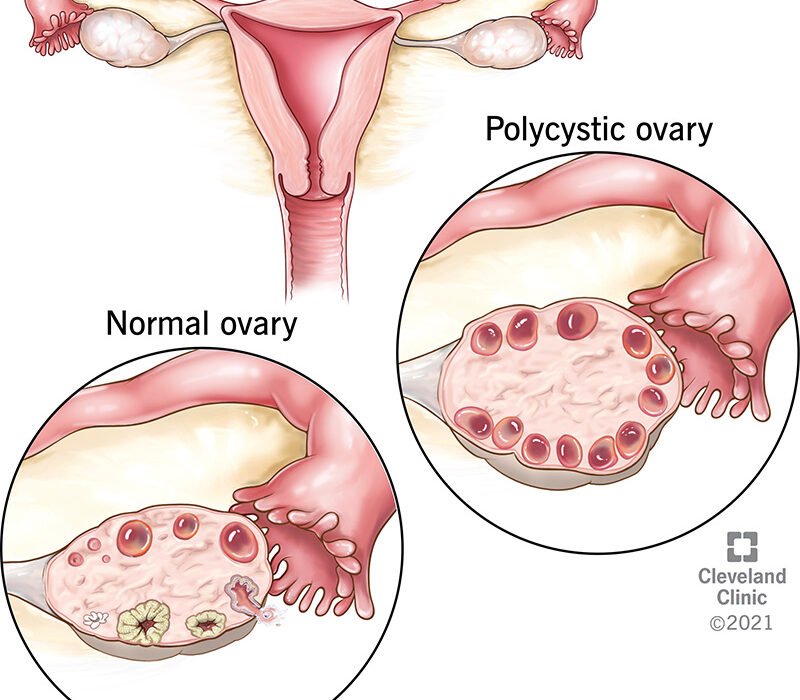
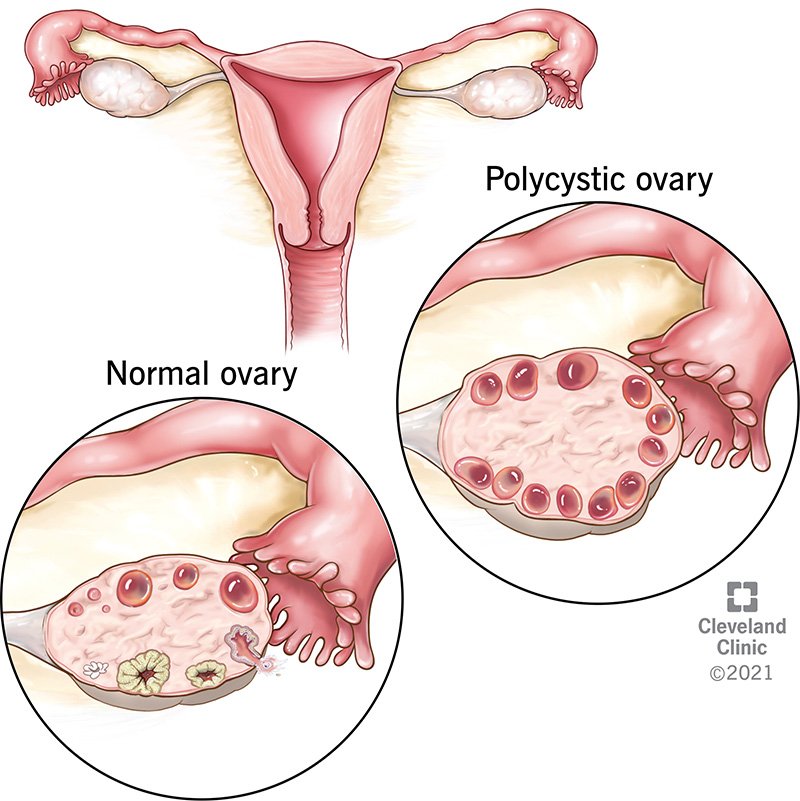
Despite its name, having ovarian cysts is not necessary for a person to have PCOS. The diagnosis is generally based on a combination of features such as irregular ovulation or periods, signs of higher androgen levels, and polycystic-appearing ovaries, while other possible causes need to be excluded.
PCOS can look very different from one person to another.One woman might mainly struggle with irregular periods, while another may experience acne, increased facial hair, insulin resistance or difficulty becoming pregnant.
Common Signs and Symptoms of PCOS
- Irregular or unpredictable menstrual cycles
- Infrequent periods
- Acne or oily skin
- Increased facial or body hair
- Hair thinning on the scalp
- Difficulty with ovulation
- Weight gain or difficulty managing weight
- Darkened or thickened skin in some areas
- Metabolic problems such as insulin resistance
It’s important to remember that experiencing one of these symptoms does not automatically mean someone has PCOS.
The Connection Between PCOS and Insulin Resistance
One reason PCOS is closely connected with fitness and nutrition is insulin resistance.
Insulin is a hormone that helps move glucose from the bloodstream into cells, where it can be used for energy.
When the body becomes less responsive to insulin, the pancreas may produce more insulin to compensate.Higher insulin levels can interact with ovarian hormone production and may contribute to increased androgen activity in some people with PCOS.
This is one reason improving insulin sensitivity is often an important part of PCOS management.
And this is where exercise becomes particularly interesting.
How Exercise Can Help With PCOS..
Exercise isn’t a cure for PCOS, but regular physical activity can improve several factors associated with the condition.
1. It can improve insulin sensitivity
Muscles use glucose for energy during physical activity. Regular exercise can also improve the body’s ability to respond to insulin.
This can be particularly useful for people with PCOS who have insulin resistance.
2. It supports cardiovascular health
PCOS is associated with several cardiometabolic risk factors, including insulin resistance, abnormal blood lipids and higher blood pressure in some individuals.
Regular physical activity can support cardiovascular fitness and overall metabolic health.
3. It can support healthy body composition
For people who want or need to change their body weight, combining resistance training with aerobic activity can help increase energy expenditure and preserve or build muscle.
However, PCOS management should not be reduced to weight loss.
A person can have PCOS at a healthy body weight, and improvements in fitness and metabolic health can occur without dramatic changes on the weighing scale.
4. It may improve mood and mental wellbeing
Living with hormonal symptoms, acne, unwanted hair growth, fertility concerns or body-image issues can be emotionally difficult.
Regular physical activity is associated with better mental wellbeing and can be a useful part of a broader approach to managing stress and mood.
What Type of Exercise Is Best for PCOS?
A combination of different forms of movement is usually more practical.
Strength Training
Strength training includes exercises such as:
Squats
Lunges
Push-ups
Rows
Hip hinges
Glute bridges
Shoulder presses
Resistance-band exercises
Weight training
Building and maintaining muscle is useful for overall metabolic health and physical function.
You don’t necessarily need an expensive gym membership. Bodyweight exercises and resistance bands can provide a good starting point.
For beginners, two or three strength-training sessions per week can be a reasonable target, gradually increasing difficulty as fitness improves.
Walking
Walking is one of the most underrated forms of exercise.You don’t need to turn every workout into an exhausting session. Regular brisk walking can contribute to aerobic fitness, daily activity and energy expenditure.
For someone currently inactive, starting with short walks and gradually increasing duration can be more sustainable than suddenly attempting intense workouts.
Cardio
Cycling, swimming, jogging, dancing and other aerobic activities can improve cardiovascular fitness.
The best option is often the activity you actually enjoy enough to perform consistently.
High-Intensity Exercise
Intervals and higher-intensity workouts can improve cardiovascular fitness, but they’re not mandatory for managing PCOS.
If you’re new to exercise, starting with lower or moderate intensity and building gradually is usually more sensible.
The goal isn’t to punish your body.The goal is to make movement a regular part of your lifestyle.
Nutrition and PCOS
Nutrition is another major part of PCOS management.
One common mistake is searching for a single “PCOS food” or completely eliminating carbohydrates.
The reality is more complicated.There is no single diet that has been proven to be the universally best diet for every person with PCOS.
A sustainable eating pattern should provide adequate protein, fibre, healthy fats, vitamins and minerals while fitting your culture, preferences, budget and lifestyle.
Build Balanced Meals
A simple approach is to include:
- Protein: eggs, fish, chicken, dairy, tofu, beans, lentils or other protein-rich foods.
- High-fibre carbohydrates: oats, whole grains, beans, lentils, vegetables and fruit.
- Healthy fats: nuts, seeds, olive oil, avocado and fatty fish.
- Vegetables: include a variety of colours and types throughout the week.
- You don’t need to completely eliminate rice, roti, potatoes or other carbohydrate-containing foods.
Do You Need to Lose Weight if You Have PCOS?
This is an important question because PCOS is often discussed almost entirely in terms of weight.
Not everyone with PCOS is overweight.And not everyone with PCOS needs to lose weight.
For people who have excess body weight, even modest weight reduction may improve some metabolic and reproductive outcomes. But health improvements are not limited to weight loss.
Improving physical activity, sleep, diet quality, strength, cardiovascular fitness and metabolic health can all be meaningful goals.
Your progress shouldn’t be measured only by the number on the scale.
How to reduce Stress Stress in PCOS
Stress doesn’t simply “cause PCOS,” but chronic stress can affect sleep, appetite, mood and overall wellbeing.
Instead of trying to eliminate all stress, focus on developing ways to manage it.
This might include:
- Walking outdoors
- Yoga
- Meditation
- Breathing exercises
- Spending time with friends
- Reading
- Hobbies
- Taking breaks from screens
- Maintaining a consistent sleep routine
When Should You Talk to a Doctor?
If you think you may have PCOS, don’t diagnose yourself based on symptoms you find online.
A healthcare professional can evaluate your menstrual history, symptoms, physical signs and relevant laboratory or imaging results while considering other possible causes.
Medical advice is particularly important if you have very irregular periods, prolonged absence of periods, significant abnormal bleeding, fertility concerns, or symptoms that are new or worsening.
PCOS can also be associated with longer-term metabolic risks, so appropriate follow-up matters.
MY POV:
PCOS can be frustrating, but understanding the condition can make it much easier to approach.
Exercise won’t magically remove PCOS, but regular movement can support insulin sensitivity, cardiovascular fitness, body composition, strength and mental wellbeing. Combined with balanced nutrition, adequate sleep and appropriate medical care, it can become a valuable part of long-term management.
If you have PCOS, focus less on finding the “perfect” routine and more on finding a healthy routine you can actually maintain.Small improvements repeated consistently can matter far more than an extreme plan that lasts two weeks.
If you have pcos talk to your doctor start your medication this article is only for knowing that what is pcos and how can you maintain your life and stress by doing some common exercises
For want to know more about the pcos you can check out this: https://www.fda.gov/consumers/womens-health-topics/polycystic-ovary-syndrome-pcos