

 By
By 
Q) What is belly fat ?
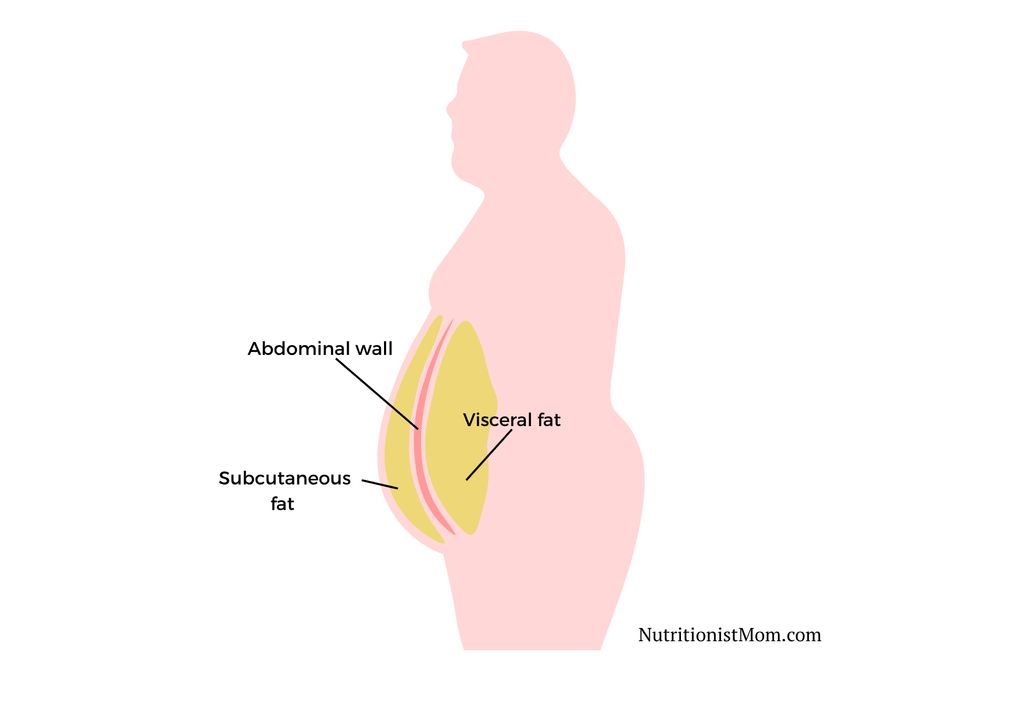
Not all belly fat is the same. The soft fat just under your skin is called subcutaneous fat. Deeper inside your abdomen is visceral fat, which surrounds organs such as the liver and intestines.
- Visceral fat :- Visceral fat is more strongly linked to health problems like type 2 diabetes, heart disease, high blood pressure, and metabolic syndrome. That’s one reason reducing excess belly fat can improve health, not just appearance.
- Subcutaneous fat:- Subcutaneous fat is the layer of fat that sits just beneath your skin. It’s the fat you can pinch with your fingers on areas like your belly, thighs, hips, or arms.
If you’ve ever searched for ways to lose belly fat, you’ve probably seen countless promises of “flat abs in seven days” or “one exercise that melts belly fat.” While those headlines sound tempting, they don’t reflect how the human body really works.
The truth is that reducing belly fat takes time, consistency, and a combination of healthy eating, regular exercise, quality sleep, and stress management.
- From fat to disease
Visceral fat can be measured in a variety of ways. CT scans and full-body MRIs are the most precise, but they are expensive and rarely available, so investigators often use estimates based on waist circumference or waist size in proportion to height (see “Gut check”). To ensure that they’re not just measuring overall obesity, researchers also check whether a person’s waist circumference is higher than average for her or his body mass index (BMI).
Cardiovascular disease:- is a general term for conditions that affect the heart and blood vessels. It is one of the leading causes of death worldwide, but many cases can be prevented or managed with healthy lifestyle habits and appropriate medical care.
Common Types :- coronary artery disease, stroke, heart attack , heart failure
Asthma:- is a chronic (long-term) lung condition that causes the airways to become inflamed and narrow, making it harder to breathe. Symptoms can come and go, and they may worsen when exposed to certain triggers.
Breast cancer:- . A combined analysis of several studies found that premenopausal women with abdominal obesity (the largest waist size in proportion to their height) were at greater risk for breast cancer.
Now talking about how to lose belly fat ?
Where you tend to gain fat depends on your genes, your hormones, your age, your birth weight (smaller babies more readily add belly fat later in life), and whether you’ve had children (women who have given birth tend to develop more visceral fat than women who haven’t).
Exercise supports fat loss by increasing energy expenditure and improving overall fitness.
A balanced routine often includes:
- Brisk walking, cycling, swimming, or other cardio most days of the week.
- Strength training at least two or three times a week to build and maintain muscle.
- Daily movement such as taking the stairs, walking after meals, or standing up regularly if you work at a desk.
- Don’t smoke. The more you smoke, the more likely you are to store fat in your abdomen rather than on your hips and thighs.
Don’t ignore sleep
Sleep is often overlooked, yet it has a powerful effect on appetite and recovery.
Adults should aim for around seven to nine hours of quality sleep each night. Poor sleep may affect hormones involved in hunger and fullness, making it easier to overeat and harder to stay active the next day.
Is walking enough?
Walking is an excellent starting point. Pairing regular walking with strength training and a balanced diet is likely to provide greater overall benefits.
Should I avoid carbohydrates?
Not necessarily. Whole-grain carbohydrates, fruits, vegetables, and legumes can all be part of a healthy eating pattern. The overall quality and quantity of your diet matter more than eliminating one nutrient.
Final Thoughts
Reducing belly fat isn’t about finding a secret exercise or following the latest diet trend. It’s about building habits that support your health every day.
Eat nourishing foods, stay active, include strength training, sleep well, manage stress, and be patient with the process. Small improvements repeated consistently can lead to meaningful changes over time.