
 By
By Intermittent fasting has become one of the most talked-about health trends in recent years. Some people swear by it for weight loss, while others use it to simplify their eating habits or improve their energy levels.
What Is Intermittent Fasting?
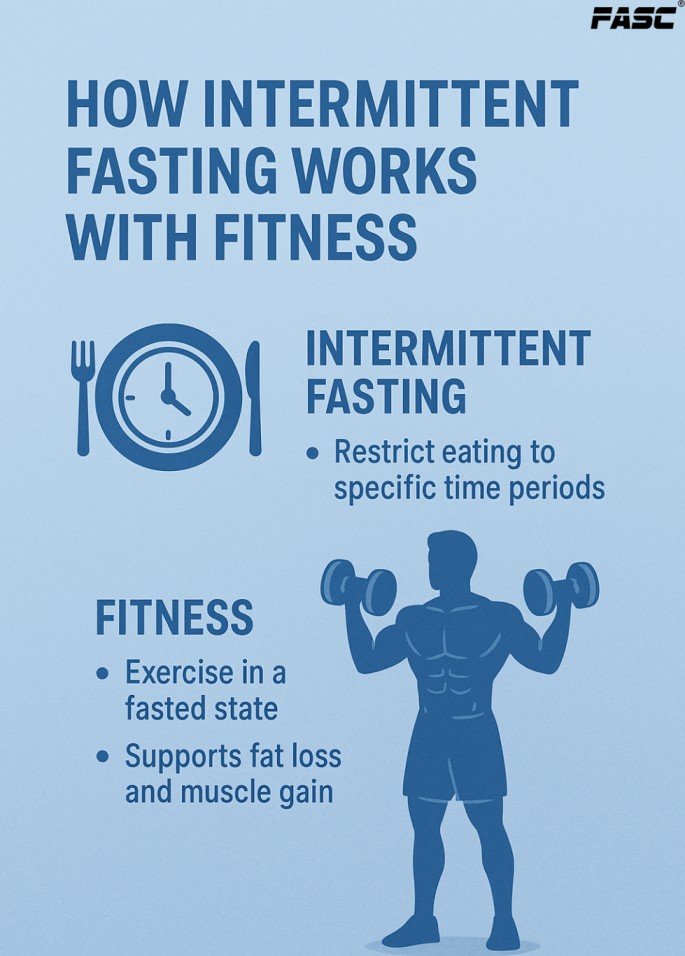
Intermittent fasting is an eating pattern that alternates between periods of eating and fasting. Instead of focusing on which foods you can or can’t eat, it focuses on when you eat.
One of the most popular methods is the 16:8 schedule, where you fast for 16 hours and eat your meals within an 8-hour window.
Can Intermittent Fasting Help with Weight Loss?
Weight loss happens when you consistently consume fewer calories than your body uses. Intermittent fasting can make that easier for some people because it naturally limits the amount of time available for eating.
However, fasting isn’t a magic solution. If you consume more calories than your body needs during your eating window, you may not lose weight.
Think of intermittent fasting as a tool that may help some people manage their calorie intake more easily.
How Exercise Fits In ?
the type of workout, your fitness level, and whether you’re meeting your nutrition needs overall.
You can do a little bit of a workout when you are fasting. Which burns your extra calories faster.
Now the point is which exercise you have to do. Let’s talk about it.

- Walking:- Walking is one of the easiest forms of exercise to pair with intermittent fasting. A brisk 30 to 45-minute walk can improve cardiovascular health, increase daily calorie expenditure, and support weight management.
2)Strength Training:- Resistance training is important if your goal is to preserve or build muscle while losing fat.Aim to train two or three times each week using bodyweight exercises, resistance bands, or free weights.

3)Cycling and Swimming:- Moderate-intensity cardio workouts like cycling or swimming are excellent options. They improve endurance while being relatively easy to recover from
Don’t Forget Protein:-
Protein helps maintain muscle mass, supports recovery after exercise, and helps keep you feeling full.
Good sources include eggs, fish, chicken, Greek yogurt, tofu, beans, lentils, milk, and lean meats.
Instead of relying on one large meal, try to spread your protein intake across your eating window.
Hydration Is Essential:-
Even though you’re fasting, you should continue drinking water throughout the day.
Plain water, sparkling water without added sugar, and unsweetened black coffee or tea are commonly included during fasting periods by many intermittent fasting plans.
Staying hydrated becomes even more important if you’re exercising or spending time in hot weather.
Who Should Avoid Intermittent Fasting?
Intermittent fasting isn’t suitable for everyone.
Children and teenagers who are still growing, people who are pregnant or breastfeeding, and anyone with a history of eating disorders should avoid intermittent fasting unless advised by a qualified healthcare professional.
People with diabetes or those taking medications that affect blood sugar should speak with their healthcare provider before starting, as fasting may require changes to their treatment plan.