
 By
Strength training is one of the most effective ways to improve your physical fitness, build muscle, and develop a stronger body. Yet many people still believe that lifting weights is only for bodybuilders or people who want big muscles. The truth is that strength training can benefit almost everyone, regardless of age, gender, or fitness level.
Whether you want to build muscle, lose body fat, improve your posture, or simply feel stronger in everyday life, adding strength training to your routine can make a real difference.

What Is Strength Training?
Strength training is a type of physical exercise that makes your muscles work against resistance. This resistance can come from dumbbells, barbells, resistance bands, gym machines, or even your own body weight.
When you challenge your muscles regularly, your body gradually adapts by becoming stronger. With appropriate training, nutrition, and recovery, you can also increase muscle size and improve muscular endurance.
There are some exercises for boost your body strength
- Push-ups
- Squats
- Lunges
- Dumbbell rows
- Deadlifts
- Planks
- Resistance band exercises
Benefits of Strength Training
1. Builds Muscle and Improves Strength
One of the main benefits of strength training is the development of stronger muscles. When you perform resistance exercises consistently, your muscles adapt to the demands placed on them.
Stronger muscles can make activities such as carrying groceries, climbing stairs, lifting objects, and playing sports easier.For muscle growth, your training should gradually become more challenging as your strength improves.
2. Supports Healthy Weight Management
Strength training can help you manage your body weight by increasing energy expenditure and helping preserve or build lean muscle mass.
Muscle tissue uses energy even at rest, although the increase in daily calorie expenditure from gaining muscle is generally modest. This means strength training should be combined with a balanced diet and regular physical activity rather than treated as a quick solution for fat loss.
If your goal is to reduce body fat, focus on sustainable eating habits, consistent exercise, and adequate sleep.
3. Strengthens Bones
Your bones respond to physical stress. Weight-bearing activities and resistance exercises can help maintain or improve bone strength, particularly when performed regularly with suitable progression.
This becomes increasingly important as people grow older because bone density naturally tends to decline with age.However, people with osteoporosis or a history of fractures may need a personalised exercise plan from a qualified healthcare professional.
4. Improves Everyday Movement
Think about how often you bend down, carry bags, stand up from a chair, or climb stairs. These activities all require muscular strength.Exercises such as squats, rows, lunges, and hip hinges train muscles involved in everyday movements.
Over time, appropriate strength training can help you perform these tasks with greater confidence and control.
5. Supports Mental Well-Being
Exercise is not only about physical appearance. Regular physical activity can also support mental well-being, improve mood, and help reduce feelings of stress.
Completing a challenging workout can give you a sense of achievement. As you gradually become stronger, you may also notice improvements in your confidence and motivation.
Strength training is not a replacement for professional mental healthcare, but it can be a valuable part of a healthy lifestyle.
6. Helps Maintain Strength as You Age
Muscle strength and physical function can decline with age, especially when people are inactive.
Regular resistance training helps older adults maintain muscle strength, balance-related abilities, and independence. Beginners should start with manageable resistance and increase difficulty gradually.
Best Strength Training Exercises for Beginners
If you are new to strength training, start with basic movements that work several muscle groups. You do not need dozens of exercises to get results.
1. Squats:- Muscles worked: Quadriceps, glutes, and other lower-body muscles.
Squats help develop lower-body strength and improve your ability to sit down and stand up.
2. Push-Ups:- Muscles worked: Chest, shoulders, and triceps.
Push-ups are an effective bodyweight exercise for developing upper-body strength.
3. Dumbbell Rows:- Muscles worked: Back muscles, rear shoulders, and biceps.
Rows strengthen the pulling muscles of your upper body and complement pushing exercises such as push-ups.
4. Lunges:- Muscles worked: Quadriceps, glutes, and hamstrings.
Lunges train each leg separately and can help develop lower-body strength and coordination.
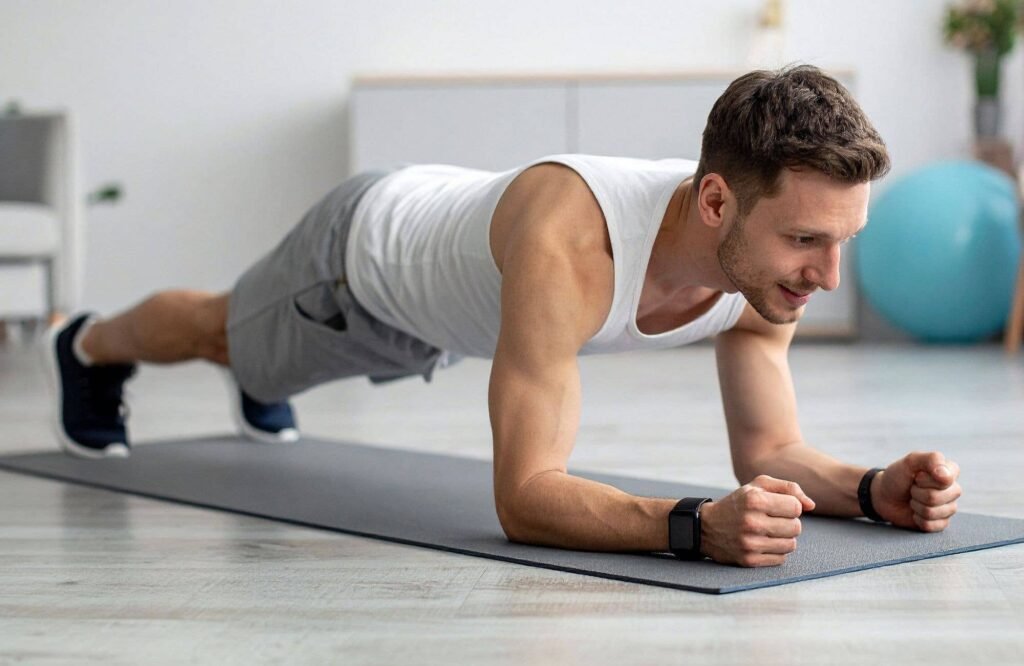
5. Planks:- Muscles worked: Abdominal and other core muscles.
Planks train your ability to stabilise your torso, which is important for many daily activities and exercises
For more knowledge you can read this article :- https://www.physio-pedia.com/Strength_Training
Nutrition for Strength and Muscle Growth
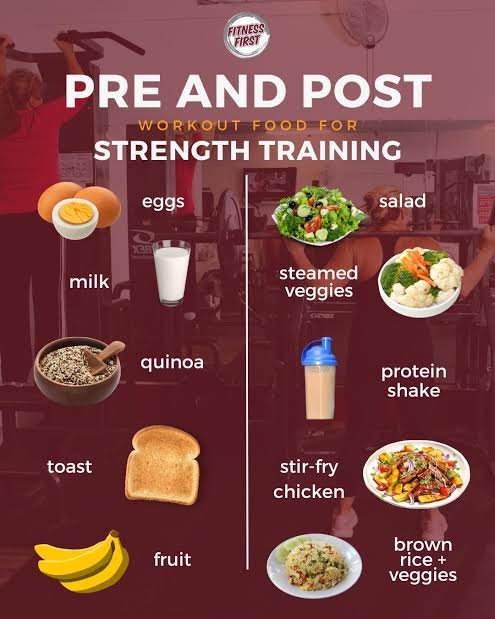
Training provides the stimulus for your muscles to adapt, but your body also needs adequate nutrition to recover.
Eat Enough ProteinProtein supplies the amino acids your body uses to repair and build muscle tissue.
Useful protein sources include:
- Eggs
- Milk and yoghurt
- Paneer
- Lentils and beans
- Soybeans and tofu
- Chicken and fish
- Nuts and seeds
For healthy adults who exercise regularly, a daily protein intake around 1.4 — 2.0 grams per kilogram of body weight is commonly recommended for supporting muscle development. Individual needs vary depending on training, age, diet, and health status.