

 By
Pregnancy changes almost every part of a woman’s body. The heart works harder, blood volume increases, the uterus grows, metabolism changes, and, perhaps most importantly, hormones go through some of the biggest changes they will experience in a lifetime.
After delivery, the body does not immediately return to its pre-pregnancy state. Hormone levels shift again, breastfeeding introduces another major hormonal influence, sleep may become irregular, and the body is recovering from pregnancy and childbirth at the same time.
This is why many new mothers experience fatigue, mood changes, changes in weight, hair loss, disturbed sleep, changes in periods and reduced energy after pregnancy.Sometimes these are normal parts of recovery. But sometimes they can be signs of a hormonal or medical problem that deserves attention.
One example is postpartum thyroiditis, an inflammation of the thyroid that can develop during the first year after giving birth. It affects roughly 1 in 20 women according to the National Institute of Diabetes and Digestive and Kidney Diseases (NIDDK), although estimates vary between studies.
What Does “Hormonal Imbalance” Mean After Pregnancy?
“Hormonal imbalance” is a broad term. It is not one specific disease.During pregnancy, hormones such as estrogen and progesterone rise dramatically. After the placenta is delivered, levels of these hormones fall rapidly.At the same time, other hormones become particularly important.
Prolactin supports breast milk production, while oxytocin plays an important role in milk release and also contributes to uterine contractions and bonding.The thyroid hormones are also important because they influence metabolism, energy, temperature regulation and many other body functions.
The body therefore has to move from a pregnancy state into a postpartum state while simultaneously recovering from childbirth.That transition can feel very different from woman to woman.
Why Do Hormonal Changes Happen After Pregnancy?
1. Estrogen and progesterone drop rapidly
During pregnancy, estrogen and progesterone reach very high levels. Once the placenta is delivered, these hormone levels fall sharply.
This sudden change can contribute to:
- Mood swings
- Emotional sensitivity
- Vaginal dryness
- Changes in libido
- Fatigue
- Changes in the menstrual cycle
- Hair shedding
This doesn’t automatically mean something is wrong. The postpartum body is going through a major biological transition.
2. Breastfeeding changes the hormonal environment
- Breastfeeding increases prolactin, the hormone involved in milk production.Higher prolactin can suppress the reproductive hormones responsible for ovulation. As a result, some breastfeeding women may not have regular periods for months This varies considerably between individuals.
for getting more knowledge you can also check this article :- https://www.postpartumdepression.org/postpartum-depression/hormones/
3. The thyroid can temporarily become overactive or underactive
It is an inflammatory condition of the thyroid that can occur during the first year after childbirth. It may initially cause the thyroid to release stored hormones into the bloodstream, producing a temporary hyperthyroid phase. Some women then enter a hypothyroid phase in which the thyroid does not produce enough hormone.
During the first phase, a woman might experience:
- Fast heartbeat
- Anxiety or irritability
- Feeling unusually hot
- Trouble sleeping
- Fatigue
- Unexplained weight loss
Later, when thyroid activity becomes low, symptoms may include:
- Extreme tiredness
- Feeling unusually cold
- Dry skin
- Constipation
- Difficulty concentrating
- Weight gain
- Low energy
How Does the Body React?
Some women lose pregnancy weight quickly, while others retain weight or gain additional weight after delivery.Hormones can contribute, but so can sleep deprivation, reduced physical activity, appetite changes, breastfeeding and changes in daily routine.There is no single “normal” postpartum body.
Hair loss can be noticeable
Many women notice increased hair shedding a few months after delivery.This can happen because the normal hair-growth cycle changes during and after pregnancy. It can look alarming, but postpartum hair shedding is often temporary.However, significant hair loss accompanied by fatigue, cold intolerance, weight changes or other symptoms deserves medical assessment because thyroid dysfunction or nutritional problems can also contribute.
Mood can change
Feeling emotional, overwhelmed or tearful during the first days after childbirth can happen.
But persistent sadness, severe anxiety, loss of interest in normal activities, hopelessness or difficulty functioning should not simply be blamed on hormones.
- Now the TOPIC COMES:-
Can Exercise Help With Postpartum Hormonal Health?
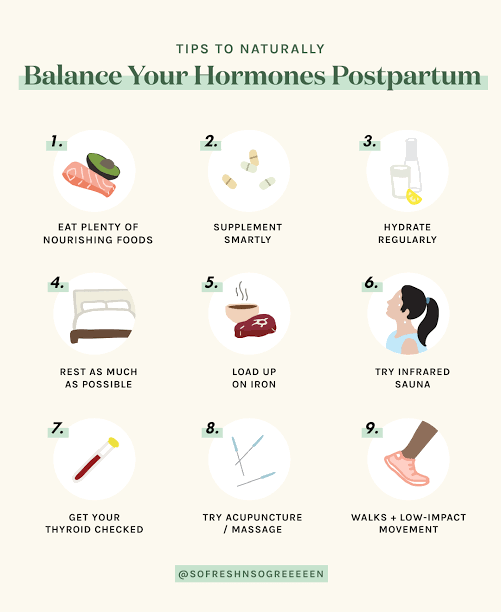
Yes, but exercise should be viewed as part of recovery rather than a punishment for gaining pregnancy weight.
The goal initially should be to rebuild strength, mobility, cardiovascular fitness and confidence.
The World Health Organization recommends that postpartum women without contraindications gradually work toward regular physical activity, including aerobic and muscle-strengthening activity. Its guidance gives 150 minutes of moderate physical activity across the week as a target for substantial health benefits, but emphasizes starting with small amounts and increasing gradually.
However, the right starting point depends on the type of delivery, complications, fitness level and how recovery is progressing.
- Walking
- Pelvic floor exercises
- Gentle core exercises
- Strength training
- Gentle stretching and mobility
Sleep and stress matters too if you take a good sleep and less stress then there is a chance to get your hormones little balance.Ask your family members to take care of the baby for sometime so you can sleep and recover your body.