
 By
By You don’t need an expensive gym membership, fancy machines, or a room full of equipment to get fit. In fact, some of the best workouts use nothing more than your own body weight. Whether you’re trying to save money, avoid crowded…
#) Why Home Workouts Actually Work
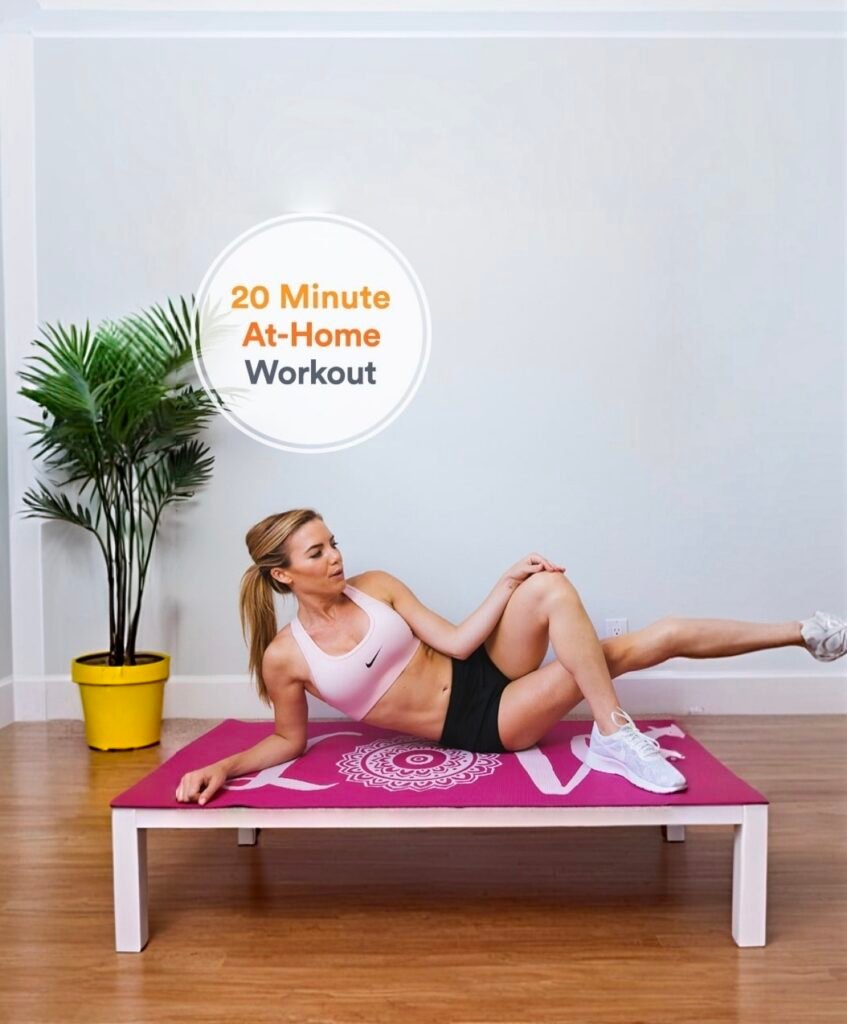
It helps you to start your day fresh and improves your blood circulation. We all know that today’s life is so hectic there is so much pressure on you and your body. Just 30mins of workout helps you out and keeps your body fit and fine 💪.
Benefits of No-Equipment Workouts
Here are a few reasons why more people are choosing to work out at home:
1)They’re completely free.
2)You can exercise almost anywhere.
3)They’re beginner-friendly and easy to modify.
4)They improve overall fitness, not just muscle strength.
5)They save time by eliminating travel to the gym
A Simple Full-Body Routine
( 1 ) SQUATS
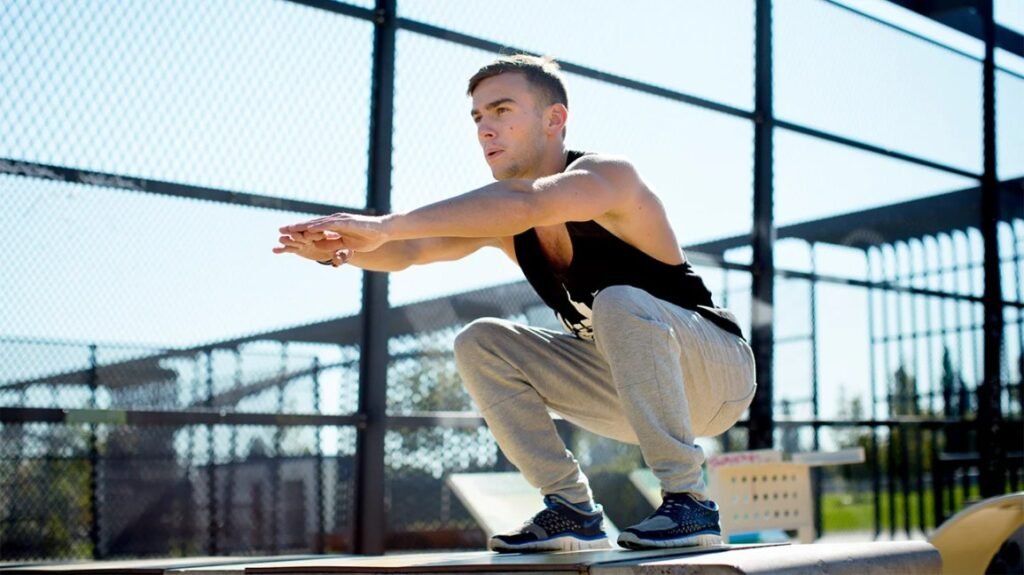
Squats are one of the most effective bodyweight exercises because they work several major muscle groups at the same time. They primarily target your quadriceps, hamstrings, glutes, and calves while also engaging your core to help maintain balance. Since squats mimic everyday movements like sitting down and standing up, they improve functional strength that makes daily activities easier.
To perform a squat, stand with your feet about shoulder-width apart. Keep your chest lifted, engage your core, and lower your body by pushing your hips back as if you’re sitting in a chair. Lower until your thighs are parallel to the floor, or as low as your mobility allows, then push through your heels to return to the starting position
2) Push-ups
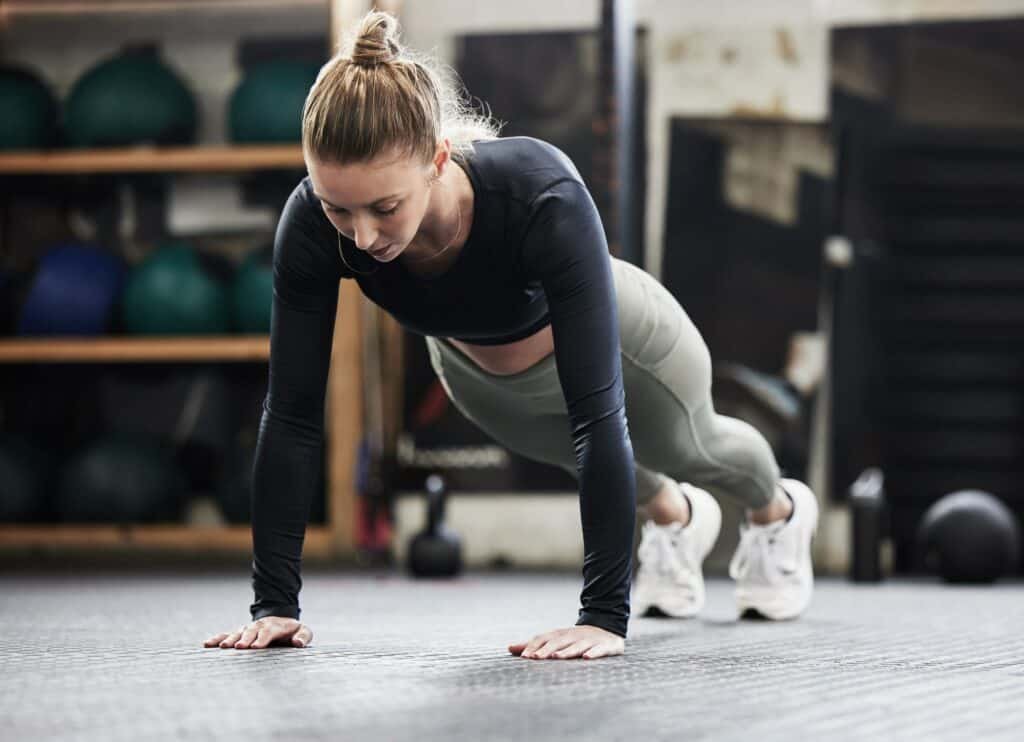
Push-ups are a classic upper-body exercise that strengthens your chest, shoulders, triceps, and core. Unlike many gym exercises that isolate one muscle group, push-ups train multiple muscles to work together, improving overall upper-body strength and stability.
Start in a high plank position with your hands slightly wider than shoulder-width apart. Keep your body in a straight line from your head to your heels. Lower your chest toward the floor by bending your elbows, then push yourself back up to the starting position. Avoid letting your hips sag or rise too high.
3) Glute Bridges
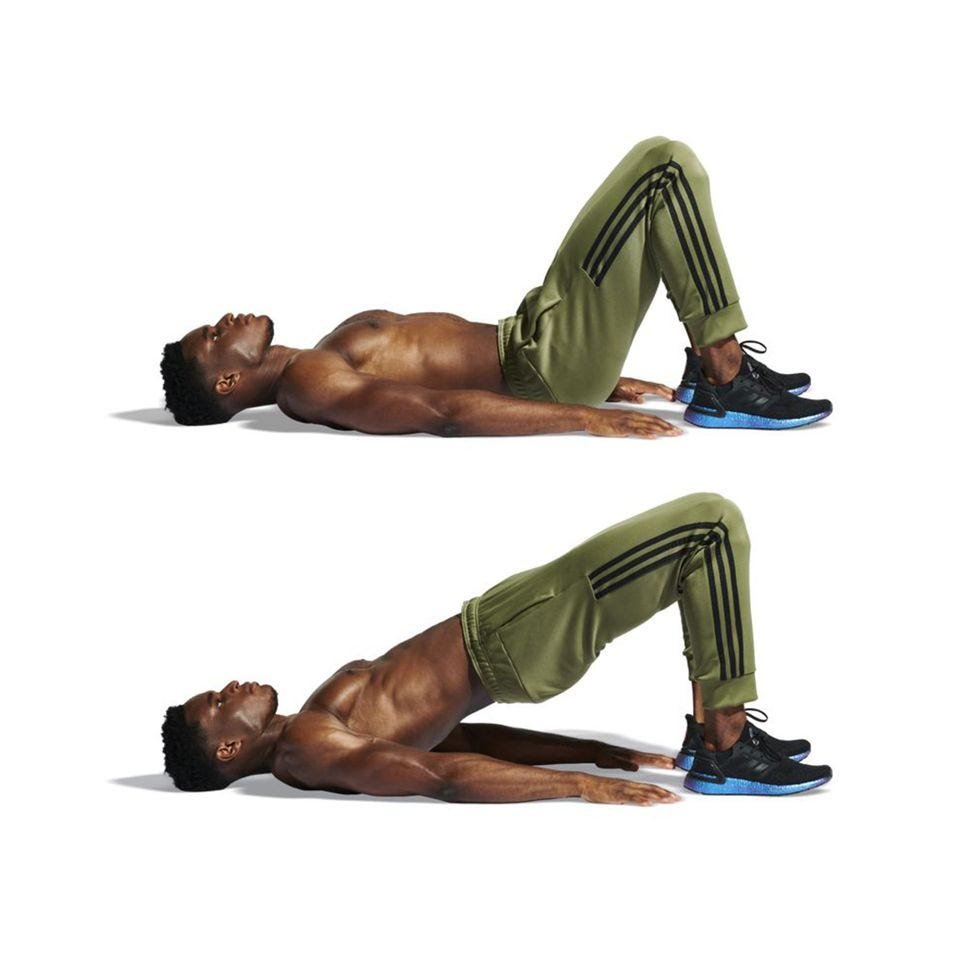
Glute bridges are excellent for strengthening the glutes, hamstrings, lower back, and core. Many people spend long hours sitting, which can weaken the glute muscles over time. This exercise helps reactivate those muscles, improving posture, reducing lower back discomfort, and increasing hip mobility.
Lie flat on your back with your knees bent and feet flat on the floor about hip-width apart. Place your arms by your sides. Press your heels into the floor and lift your hips until your body forms a straight line from your shoulders to your knees. Squeeze your glutes at the top for a second before lowering your hips back down in a controlled manner.
4. Plank
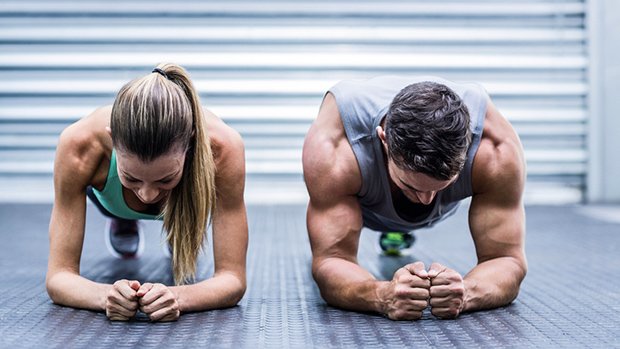
The plank is one of the best exercises for building core strength without putting excessive strain on your back. It targets your abdominal muscles, obliques, shoulders, lower back, and even your glutes. A strong core improves posture, balance, athletic performance, and reduces the risk of injuries.
Begin by placing your forearms on the floor with your elbows directly beneath your shoulders. Extend your legs behind you and balance on your toes. Keep your body in a straight line from your head to your heels while tightening your abdominal muscles. Avoid letting your hips drop or rise too high.
5) Mountain Climbers
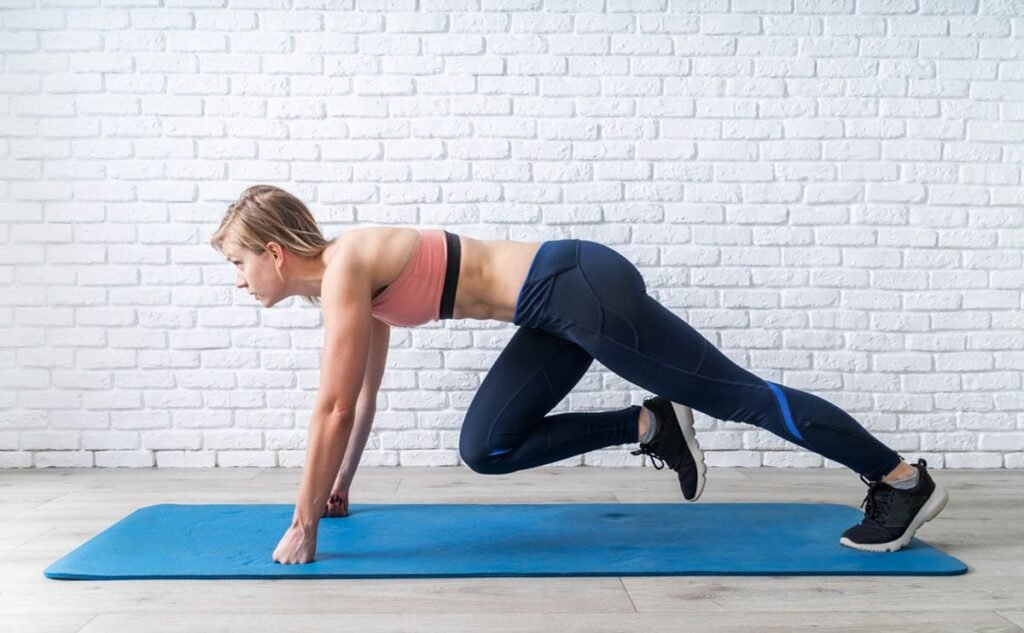
Mountain climbers combine strength training with cardiovascular exercise, making them an excellent full-body movement. They engage your core, shoulders, chest, arms, and legs while increasing your heart rate, helping improve endurance and burn calories efficiently.
Start in a high plank position with your hands directly under your shoulders. Bring one knee toward your chest, then quickly switch legs in a running motion while keeping your core engaged. Try to maintain a steady rhythm without allowing your hips to bounce excessively.
6. Jumping Jacks
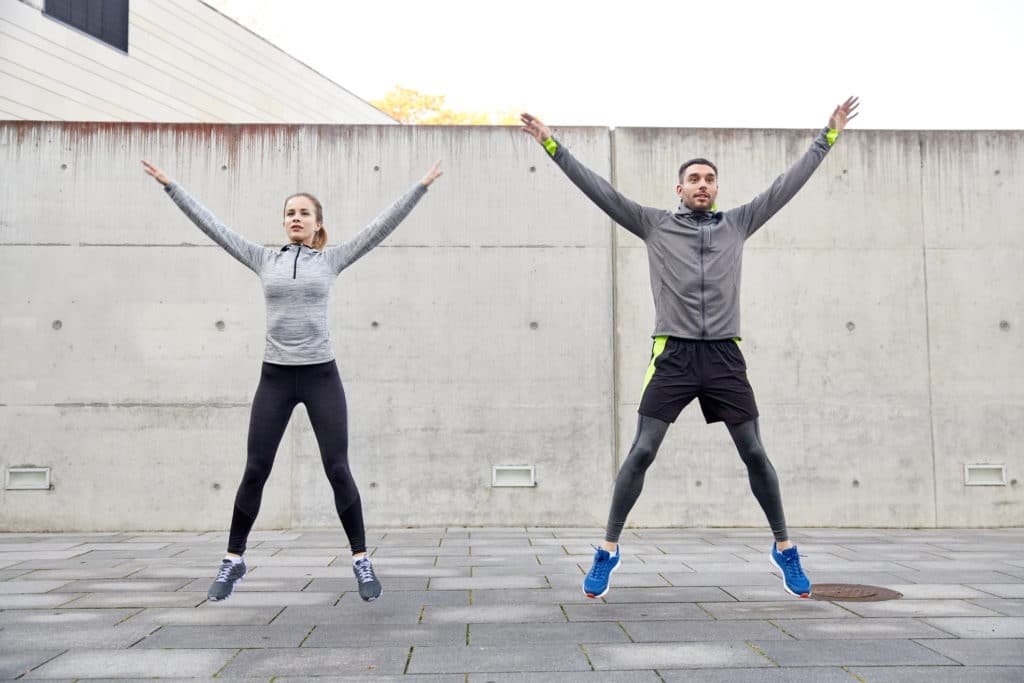
Jumping jacks are a simple but highly effective cardio exercise that gets your entire body moving. They improve cardiovascular fitness, coordination, and stamina while serving as an excellent warm-up or finishing exercise. Since they involve continuous movement, they also help increase blood circulation and elevate your heart rate quickly.
Stand with your feet together and your arms by your sides. Jump your feet apart while simultaneously raising your arms overhead. Jump back to the starting position and repeat at a comfortable pace. Keep your movements light and controlled to reduce stress on your joints.
*) Common Mistakes to Avoid
One mistake many beginners make is doing too much too soon. It’s better to exercise regularly than to push yourself so hard that you’re too sore to continue.
Another common mistake is skipping warm-ups and cool-downs. Spend five minutes warming up with light movements like arm circles, leg swings, or jogging in place. After your workout, stretch your muscles to improve flexibility and reduce stiffness.
*) Final Thoughts
You don’t need perfect conditions to start improving your health. Your living room, a small amount of time, and the willingness to move are enough.
Home workouts without equipment prove that fitness doesn’t have to be expensive or complicated. Start with simple exercises, stay consistent, and gradually challenge yourself as you get stronger. Small daily efforts add up, and before long, you’ll notice increased energy, better strength, and greater confidence.