

 By
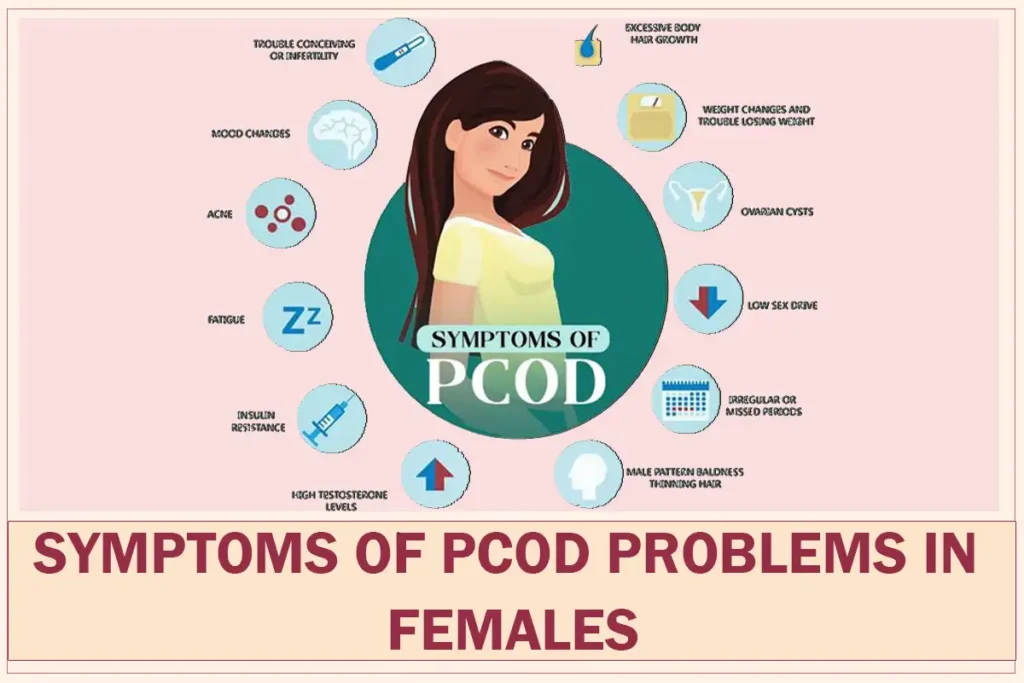
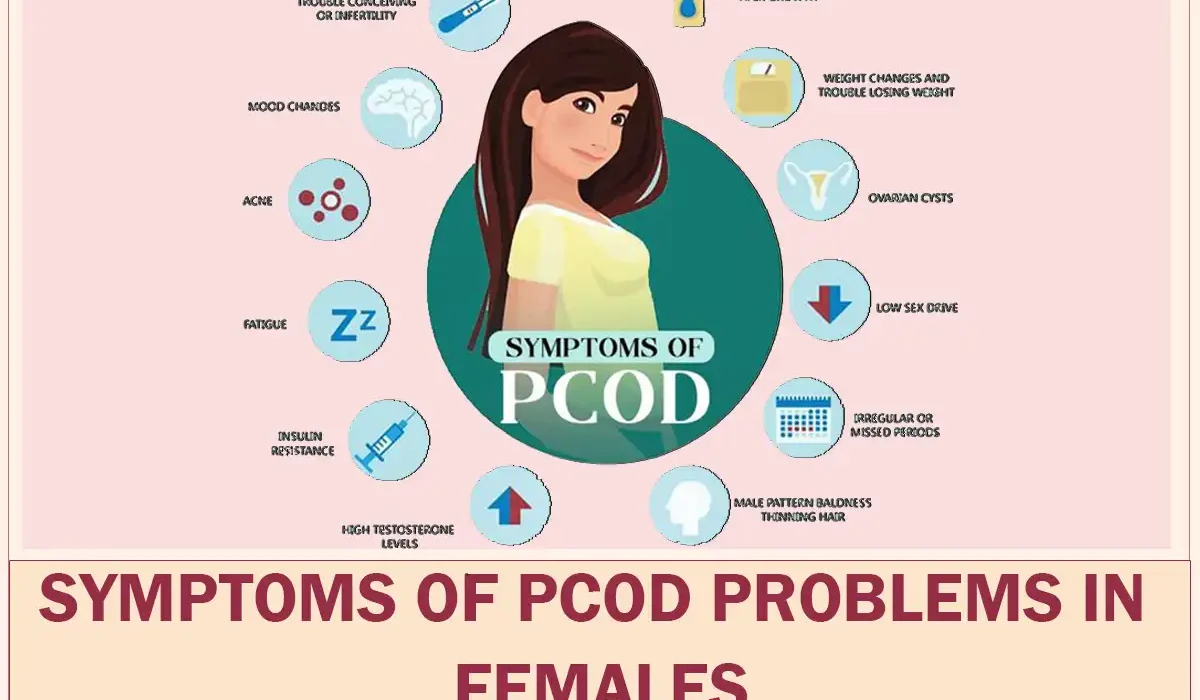
Have you ever wondered why some women experience irregular periods, sudden weight gain, persistent acne or unwanted facial hair even when they are trying to maintain a healthy lifestyle? These changes are sometimes dismissed as normal hormonal fluctuations, but they may be signs of a condition called PCOD.
PCOD (Polycystic Ovarian Disease) is a commonly used term in India for a condition involving hormonal and ovarian changes. It is closely associated with PCOS (Polycystic Ovary Syndrome), the internationally established medical term. PCOS is also sometimes referred to by its newer name, PMOS.
PCOD is not simply a problem related to the ovaries. It can affect several aspects of a woman’s health, including metabolism, menstrual cycles, skin, hair growth, emotional well-being and reproductive health.
1. What exactly is PCOD?
PCOD is a condition associated with hormonal imbalance and changes in ovarian function. The ovaries normally release an egg during each menstrual cycle. This process is called ovulation.
In women with PCOS, hormonal changes can interfere with the normal development and release of eggs. Small, immature follicles may accumulate in the ovaries, creating the appearance of multiple small follicles on an ultrasound.
Another important feature is increased androgen levels. Androgens are hormones that are naturally present in women as well as men, but higher levels can contribute to acne, excessive facial hair and hair thinning.
2. Common Symptoms of PCOD
PCOD does not look the same in every woman. Some experience several symptoms, while others may notice only one or two.
Here are some of the most common signs.
A. Irregular Menstrual Cycles
One of the most noticeable symptoms is an irregular menstrual cycle.
Periods may arrive late, occur less frequently or sometimes disappear for several months. This can happen because hormonal changes interfere with regular ovulation.
Long gaps between periods should not be ignored. Prolonged irregular cycles can increase the risk of excessive thickening of the uterine lining.
B. Unexplained Weight Gain
Some women with PCOD experience weight gain, particularly around the abdominal area.
Insulin resistance may contribute to this problem by affecting how the body processes and stores energy.However, it is important to understand that not every woman with PCOD is overweight. Women with a healthy body weight can also develop this condition.
C. Acne and Oily Skin
Persistent acne, particularly around the chin, jawline, cheeks and lower face, can sometimes be associated with hormonal changes.Higher androgen levels may stimulate the oil glands in the skin, leading to excessive oil production and clogged pores.
D. Excessive Facial and Body Hair
Another common symptom is excessive hair growth on the chin, upper lip, chest, abdomen and other areas.The medical term for this condition is hirsutism.
It is associated with increased androgen activity and can affect a woman’s confidence and emotional well-being.
E. Hair Thinning
While some women experience excessive body hair, others notice thinning hair on their scalp.
This happens because androgen sensitivity can affect hair follicles, particularly around the crown and front of the scalp.
F. Difficulty Getting Pregnant
PCOD can interfere with ovulation, making it difficult to predict fertile days.However, having PCOD does not mean a woman cannot become pregnant. Many women with this condition conceive naturally, while others may benefit from fertility treatment.
3. What Causes PCOD?
There is no single confirmed cause of PCOD. Research suggests that several genetic, hormonal and metabolic factors contribute to its development.
Let’s look at the important factors.
1. Insulin Resistance
Insulin resistance is one of the major metabolic factors associated with PCOS.
When cells do not respond properly to insulin, the pancreas produces more insulin to maintain blood glucose levels.
Higher insulin levels can stimulate the ovaries to produce more androgens, which may interfere with normal ovulation.
2. Hormonal Imbalance
Hormones play an essential role in regulating menstrual cycles and reproductive health.
In PCOS, changes in androgen levels and reproductive hormone signalling can affect the normal process of egg development and ovulation.
3. Genetic Factors
PCOS can run in families. Women whose mothers or sisters have the condition may have a greater likelihood of developing it.However, having a family history does not guarantee that someone will develop PCOS.
4. How Is PCOD Diagnosed?
PCOD should not be diagnosed simply by looking at symptoms or an ultrasound report.
For adults, doctors generally consider three important features:
- Irregular or absent ovulation.
- Clinical or blood-test evidence of increased androgen levels.
- Polycystic ovarian appearance on ultrasound.
5. Best Diet for Managing PCOD
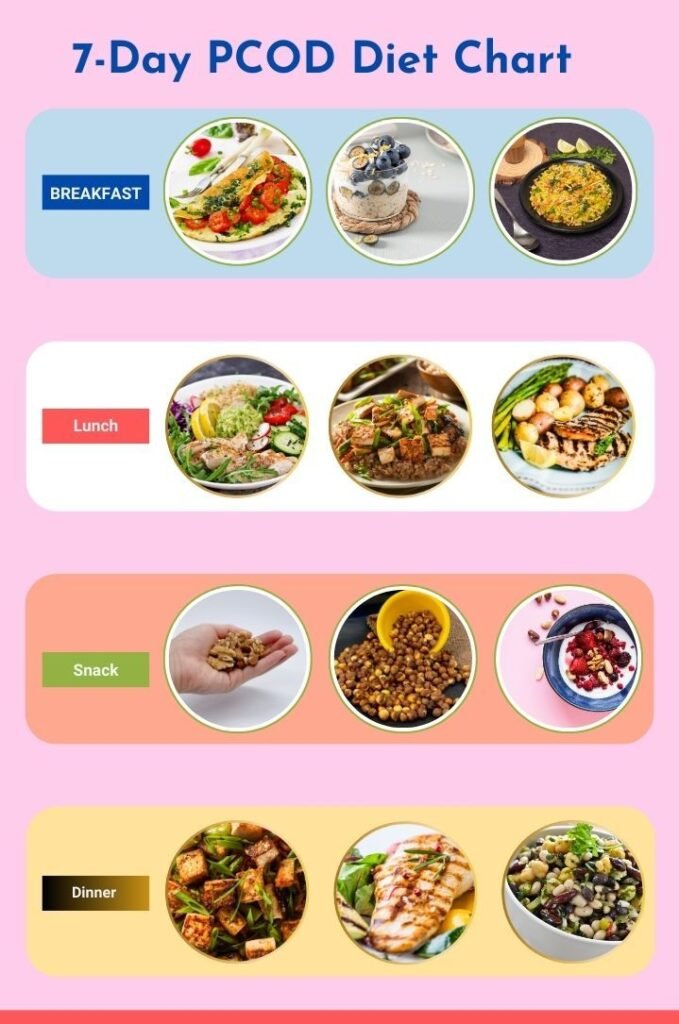
Diet plays an important role in managing PCOD, especially when insulin resistance is present.
However, there is no single PCOD diet that works for everyone. The goal should be to develop sustainable eating habits that support blood sugar regulation, hormonal health and overall nutrition.
Foods to Include
1. High-fibre foods
- Include vegetables, oats, lentils, beans, chickpeas and whole grains.
- Fibre supports digestive health and helps slow down glucose absorption.
2. Protein-rich foods
Protein helps maintain muscle mass, supports recovery and keeps you satisfied for longer.
Good choices include:
- Eggs.
- Paneer.
- Greek yoghurt or plain curd.
- Dal.
- Chickpeas.
- Fish.
- Chicken.
- Soybeans.
3. Healthy fats
Healthy fats are important for overall health.
Include:
- Almonds.
- Walnuts.
- Chia seeds.
- Flaxseeds.
- Pumpkin seeds.
- Olive oil.
4. Fruits and vegetables
- Choose a variety of colourful fruits and vegetables to obtain vitamins, minerals and antioxidants.
- Apples, guava, oranges, berries, spinach, carrots and broccoli are useful options.
Foods to Limit
You do not need to completely eliminate your favourite foods. However, try to reduce frequent consumption of:
- Sugary drinks.
- Excessive sweets.
- Highly refined carbohydrates.
- Deep-fried snacks.
- Packaged foods with high added sugar.
- Excessive fast food.